
Spotlight
Renewable Energy Access: Why Suppliers Get Left Behind
Explore the barriers suppliers face in accessing renewable energy and how businesses can help close the gap to accelerate Scope 3 emissions reductions.
Read More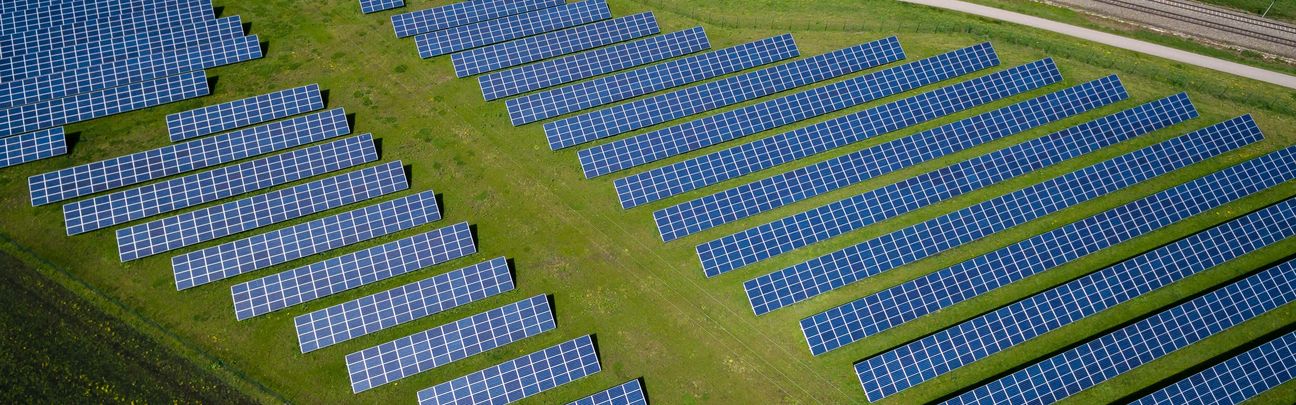
Blog Resources

BusinessGreen: Why Resilience is Becoming the New Sustainability

Meet the Team: Q&A with Ty Colman

Green Project at World Sustainability Congress 2026

Green Project at DPW Amsterdam 2026

Finance Derivative: The Cost of Delayed Action

Green Project at the ANZ Scope 3 Peer Group Meeting

5 Takeaways From Climate Week NYC 2026
Meet the Team: Q&A with Tim Weiss

Why Suppliers Often Get Left Out of Renewable Energy Markets

AASB S1 and S2: A Guide to Australia’s Climate Disclosure Rules
How to Calculate a Product Carbon Footprint (PCF)
What is a PCF?

Decoding Product Carbon Footprints
How to Calculate a Service Carbon Footprint (SCF)

Green Project Acquires Optera

How Green Project Uses AI to Simplify Scope 3 Decarbonization
What are Service Carbon Footprints?

Green Project at London Climate Action Week 2026
Field Notes From ProcureCon Asia 2026
FoodNavigator: How AI Is Powering F&B Growth

Green Project Acquires the Zeroute Platform

SBTi Net-Zero Standard V2.0: What You Need to Know
Green Project Attends Scope 3 Strategy Days Chicago 2026
Why Suppliers Aren’t Acting on Emissions Data

Green Project Signs the Climate Pledge

Winning Over Procurement: How Sustainability Teams Can Unlock Resources and Drive Impact
Procurement holds the keys to supply chain sustainability and greater investment.

6 Ways Carbon Accounting Can Help SMBs Win Contracts and Build Loyalty
As sustainability expectations grow, SMBs are being asked to measure and share their carbon footprint.

How Green Project Sustainability Managers Support Your Climate Goals
See how our Sustainability Managers help simplify carbon accounting, measure emissions, and keep your sustainability goals on track.

A Beginner's Guide to Energy Attribute Certificates (EACs)
Understand what Energy Attribute Certificates (EACs) are, how they work, and how they support renewable energy and emissions reduction goals.

5 Practical Solutions to Avoid Supplier Survey Fatigue
Suppliers often receive similar data requests from multiple companies, leading to survey fatigue.

Driving Sustainability: Engaging Suppliers on the Journey to Net Zero
Takeaways from our 2024 New York City Climate Week Event with KPMG, Microsoft, and ACT Group

How to Reduce Scope 1 Emissions
Learn how to reduce Scope 1 emissions with a 4-step framework: mapping emission sources, improving efficiency, fuel-switching, and more.

Limited vs. Reasonable Assurance: Which is Right For Your ESG Report?
ESG reports can undergo one of two forms of third-party assurance: limited, or reasonable. How are they different, and which one is the right choice?

Engaging Your Supply Chain to Reduce Scope 3 Emissions
Learn how to engage suppliers, improve emissions data, and drive measurable Scope 3 reductions across your supply chain.

Carbon Accounting: What Are Scope 1, 2, and 3 Emissions?
You’ve likely come across the idea of Scope 1, Scope 2, and Scope 3 emissions on your carbon accounting journey.

Supplier Engagement Step by Step: A Complete Guide
A step-by-step guide to designing a supplier engagement program that effectively educates suppliers.

Supplier Engagement: Identifying High-Priority Suppliers
There are several ways to rank your suppliers, but the goal of each method is the same: to ensure that you optimize your efforts.